A wood floor cleaner in Essex helps lift ingrained dirt, improve dull timber, and restore a cleaner finish underfoot. If your flooring looks tired, specialist treatment is often the right fit.
Specialist Help for Timber Floors That Need Routine Care
Wood floor cleaning is for homes and businesses where everyday mopping is no longer enough. That can include hardwood floor restoration, engineered wood floor care, oak floor revival, sealed floor maintenance, and help with dull timber, traffic marks, and built-up residue left behind. If neighbouring hard surfaces also need attention, the tile and hard floor cleaner page explains when that service is the better fit.
Cleaner Surface Finish
Ingrained dirt removal helps lift the dull film left through regular use.
Better Looking Timber Floors
Scuff mark removal helps improve tired-looking timber floor surfaces.
More Suitable Cleaning Methods
Low moisture care helps avoid over-wetting sensitive timber surfaces.
Smarter Long-Term Floor Care
Finish-safe methods support safer wood floor maintenance over time.
Different Timber Floors Need Different Treatment
Different timber floors need different treatment. If you also need carpets cleaned, the carpet cleaner page explains how that service works.
Hardwood floor restoration helps improve tired timber affected by dullness, wear, ground-in dirt, and daily traffic.
Engineered Boards
Engineered wood floor care needs a controlled method to protect the top layer, surface finish, and board stability.
High-Use Areas
Deep cleaning helps where daily footfall pushes dirt further into the grain, joints, and surface finish over time.
Domestic and
Commercial Floors
Practical floor treatment is suited to both home and commercial timber surfaces with varying levels of daily use.
A Careful Process Built Around the Floor Condition
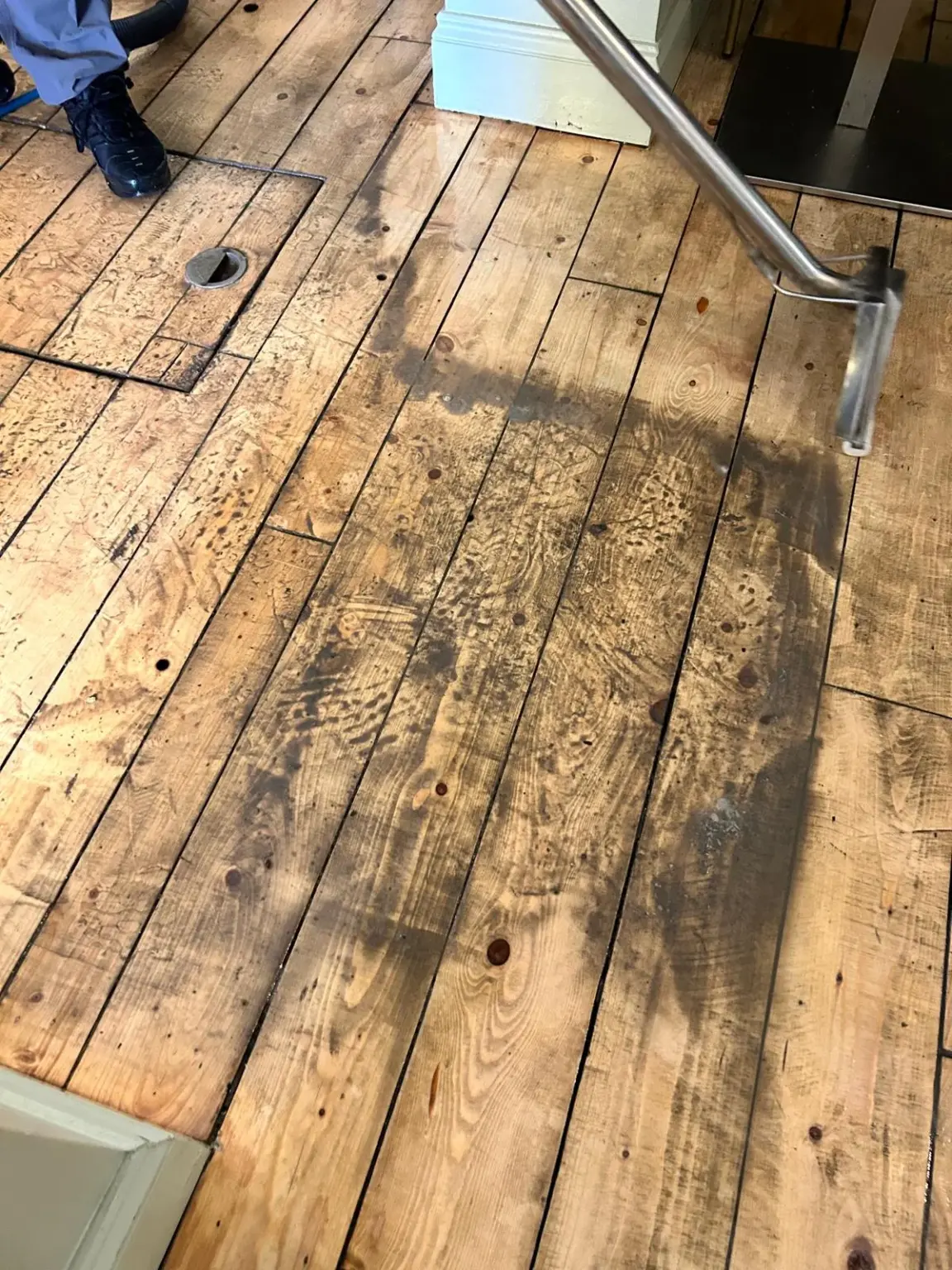
The aim is to clean deeper without using the wrong method for the timber or finish. A recent Brentwood case study later on this page shows what that can look like on a real job and the standard you can expect from careful treatment.
Assessment
The floor is checked for finish, wear, and any areas needing extra care.
Preparation
Loose debris and surface residue are removed before deeper treatment begins.
Targeted Cleaning
The right method is chosen to suit the floor and its finish with safer, finish-safe surface care.
Final Finish
The surface is left cleaner, clearer, and better protected overall for longer-term care.
Why the Right Method Matters
Wood Floors Usually Need More Than a Quick Mop
How to clean wood floors properly depends on the finish, the level of soiling, and whether moisture could create problems in the joints or surface layer. The wrong product can dull the finish or leave residue behind, and HSE explains how flooring can contribute to slip risks in busy environments.
Finish Matters More Than It Looks
The wrong product or method can dull the surface and make future care harder.
Less Risk from DIY Trial and Error
Specialist treatment helps avoid residue, over-wetting, and avoidable floor damage.
Can tired wood floors be improved without sanding?
Yes, in many cases. Cleaning can remove built-up soil and surface dullness before more invasive work is considered.
Is engineered flooring cleaned differently from solid wood?
Yes. Engineered boards often need more controlled moisture and a method chosen carefully for the surface layer.
Can you help with scuff marks and dull patches?
Yes. Scuff mark removal and dull wood floor revival are common reasons people book this service.
How often should timber floors be professionally cleaned?
That depends on footfall, the finish, and how quickly the floor picks up dirt. Busy areas usually need attention sooner.
How do I choose the best wood floor cleaner near me?
Look for someone who understands timber finishes, uses finish-safe methods, and explains the treatment clearly. GOV.UK explains your rights when paying for services from a business.
Frequently Asked Questions
Quick answers for wood floor cleaning, scuff marks, dull finishes, engineered boards, and ongoing care. If you need advice for your flooring type, send a message and we’ll guide you properly.
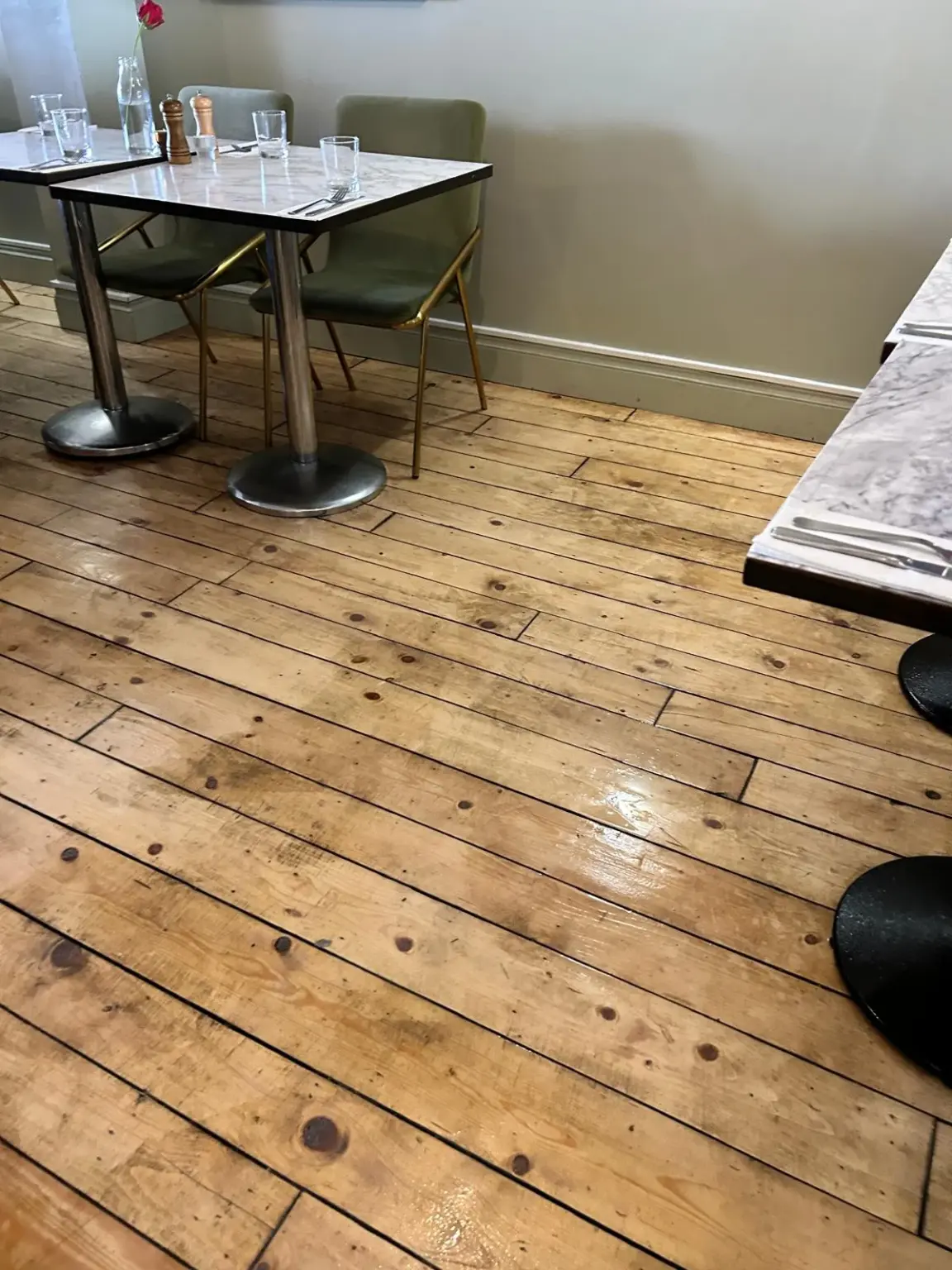
Before booking, it helps to see proof that matches the service. This featured wood floor cleaning job gives a clear view of the standard you can expect from a real result, with visible improvement across the surface and a cleaner overall finish after treatment.
We’re a Brentwood based team covering nearby towns and villages across Essex. Below are the places we visit most. If you’re close to any of these, we can usually fit you in.
Brentwood
Shenfield
Ingatestone
Herongate
Billericay
Stock
Wickford
Ingrave
Basildon
Laindon
Pitsea
Rayleigh
Benfleet
Canvey Island
Southend on Sea
Leigh on Sea
Westcliff on Sea
Rainham
Romford
Thurrock
Upminster
Not listed? We cover nearby villages across Essex call and we’ll confirm.
If your timber flooring needs a deeper clean, send over a few details about the floor type, the condition, and the areas you are concerned about. That makes it easier to recommend the right next step and explain the likely cost for your property.