Sofa and upholstery cleaning in Essex helps lift deep dirt, body oils, odours, and everyday build-up while using the right method for fabric or leather seating and more delicate materials.
More Suitable Cleaning for Fabric and Leather Seating
Upholstery cleaning is for seating that needs more than surface vacuuming. That can include sofas, armchairs, dining chair upholstery, fabric corner suites, and leather seating that has picked up daily use, skin oils, dust, and marks over time. If the main issue is a spill, smell, or heavier contamination, the stain and odour removal service may be the better starting point.
Cleaner Fabric Surfaces
Low moisture cleaning helps lift built-up dirt without soaking the fabric.
Better Comfort and Freshness
A deeper clean helps seating feel fresher and more pleasant to use.
Safer Treatment for Delicate Materials
The method is adjusted to suit the fibre, weave, finish, and overall upholstery condition.
More Suitable Leather Care
Leather cleaning helps remove grime without leaving the finish dry.
Different Seating Needs Different Treatment
Different seating needs different treatment. If you also need fitted carpets cleaned, the carpet cleaning page explains how that service works in full.
Low moisture upholstery cleaning suits fabric seating where controlled cleaning gives a cleaner result.
Delicate Fabrics
Delicate fabric cleaning needs a careful method to help reduce overwetting and protect the fibre finish.
Leather Suites
Leather suite conditioning helps lift surface grime while respecting the finish, texture, and overall condition.
Daily Use Problem Areas
Targeted treatment helps improve body oils, contact marks, and built-up wear on busy daily seating areas.
A Careful Process Built Around the Upholstery Material
The aim is to clean more thoroughly while keeping the treatment suitable for the upholstery, so fabric and leather seating can be refreshed properly with the right method, better care, and a cleaner finish across the main contact areas too.
Assessment
The fabric or leather is checked for type, condition, soiling, and any risk areas.
Preparation
Loose debris, dust, and dry soil are removed before wet treatment begins.
Deep Cleaning
The best method is chosen for the material, with controlled cleaning where needed.
Finishing
The upholstery is left cleaner, fresher, and with less residue in contact areas.
Extra Treatments That May Help
Some Upholstery Needs More Than a General Clean
Some upholstery needs more than a general clean. Where heavier use, deeper build-up, or concentrated wear is involved, extra treatment can help improve the result, and Allergy UK gives guidance on soft furnishings.
Corner Sofa Sanitisation
Useful for larger seating areas where heavy daily use has left deeper build-up across the fabric.
Fabric Protector Application
Adds extra resistance to future spills, handling marks, and everyday wear after cleaning.
Yes, but the method has to match the fabric. Delicate upholstery usually needs more controlled moisture and gentler treatment.
Is leather cleaned differently from fabric?
Yes. Leather care depends on the finish and condition, which is why aniline leather and pigmented leather are not treated in the same way.
Can upholstery cleaning help with body oils and head marks?
Yes. Headrest oil extraction and grease spot removal are common parts of upholstery cleaning where contact areas are heavily used.
How long does upholstery take to dry?
Drying time depends on the material, the level of soiling, room temperature, and airflow. Low moisture methods are often chosen to help reduce downtime.
What should I check before booking an upholstery cleaner?
If you want neutral guidance before booking, GOV.UK explains your rights when paying for services from a business.
Frequently Asked Questions
Quick answers for upholstery cleaning, drying times, leather care, and delicate fabrics. If you need advice for your seating material, send a message and we’ll guide you properly.
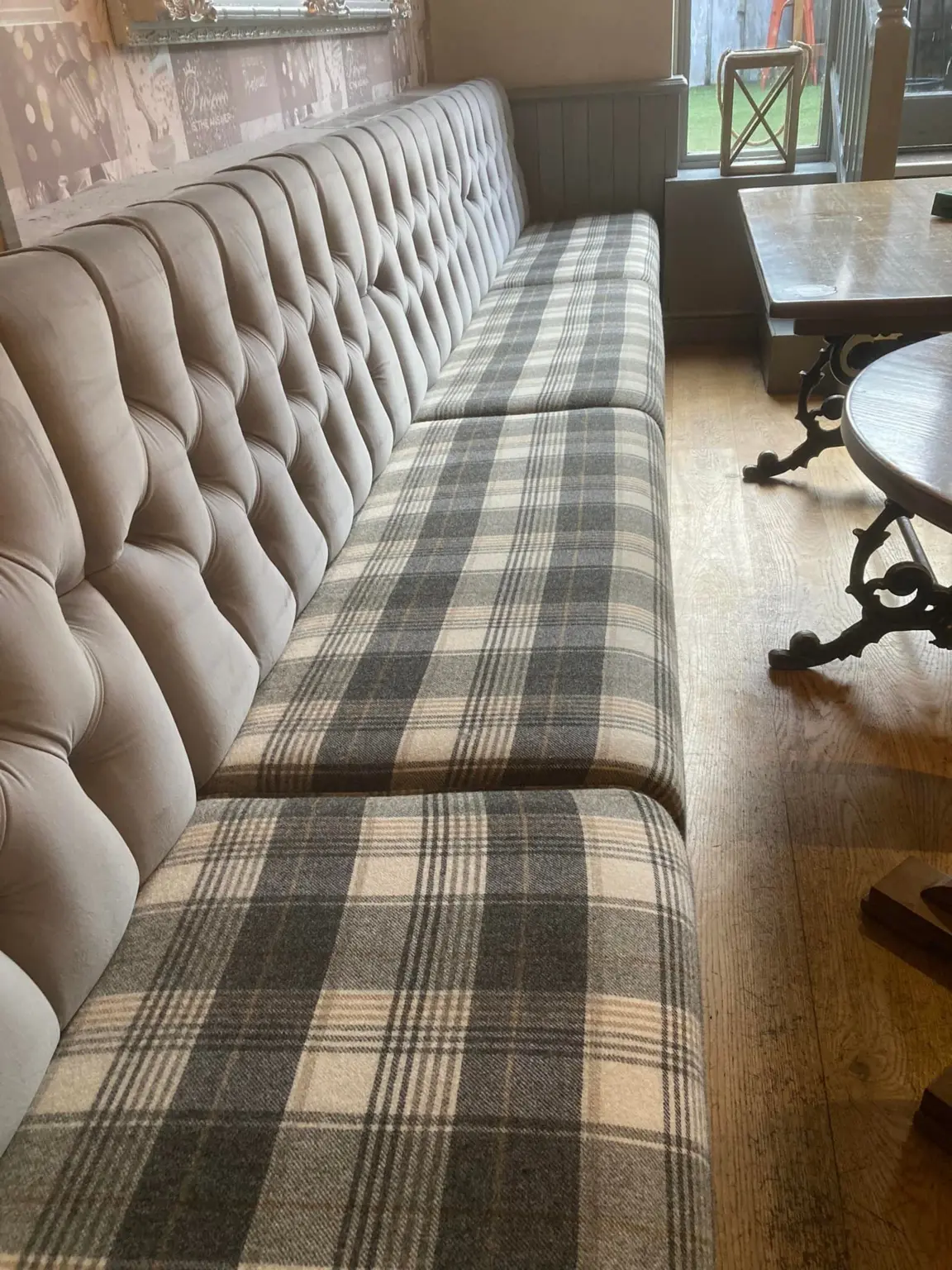
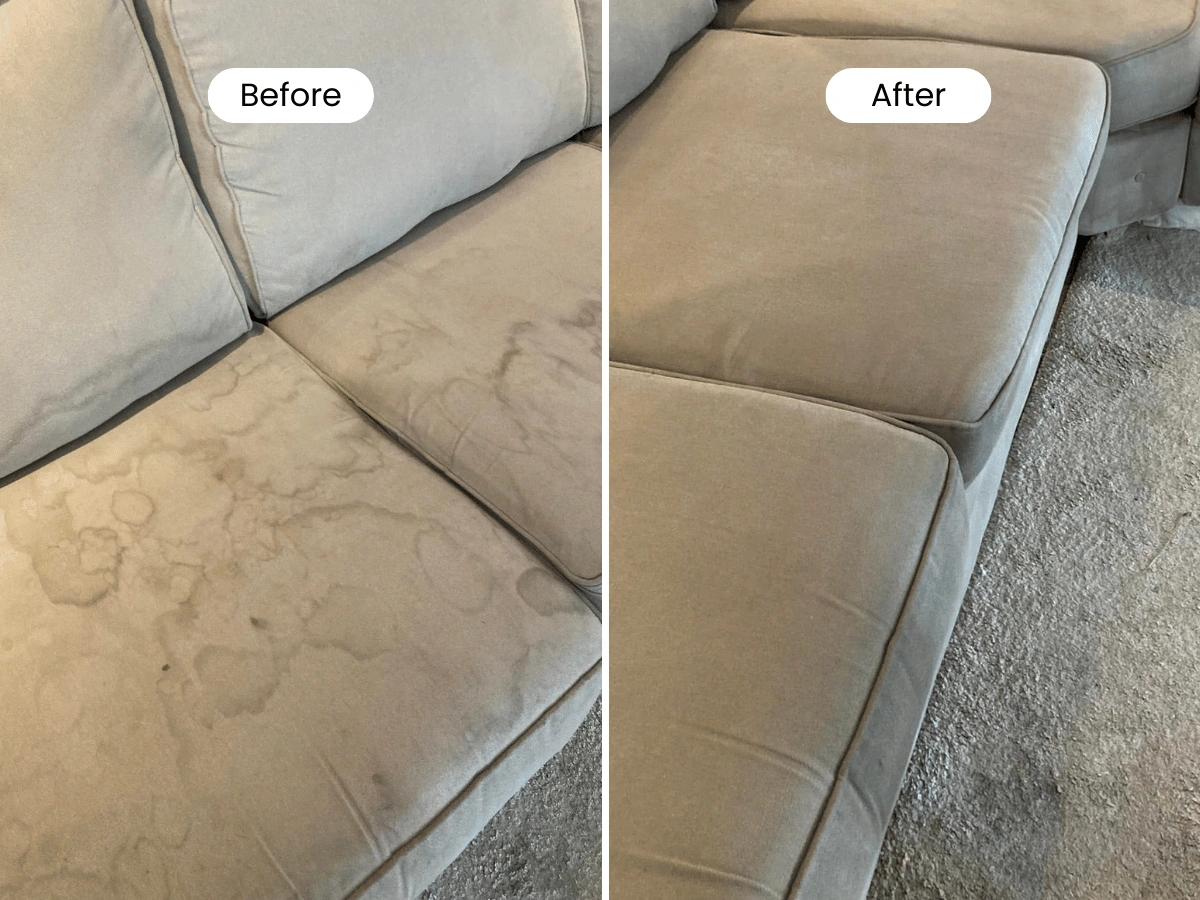
Before booking, it helps to see proof that matches the service. This featured upholstery cleaning job gives a clear view of the standard you can expect from a real result, with visible improvement across the main seating areas and a cleaner finish through high-contact areas.
We’re a Brentwood based team covering nearby towns and villages across Essex. Below are the places we visit most. If you’re close to any of these, we can usually fit you in.
Brentwood
Shenfield
Ingatestone
Herongate
Billericay
Stock
Wickford
Ingrave
Basildon
Laindon
Pitsea
Rayleigh
Benfleet
Canvey Island
Southend on Sea
Leigh on Sea
Westcliff on Sea
Rainham
Romford
Thurrock
Upminster
Not listed? We cover nearby villages across Essex call and we’ll confirm.
If your sofa, chairs, or upholstered seating needs a deeper clean, send over a few details about the material, the condition, and any marks or odours you are concerned about. A clear photo can make it easier to recommend the right next step.